
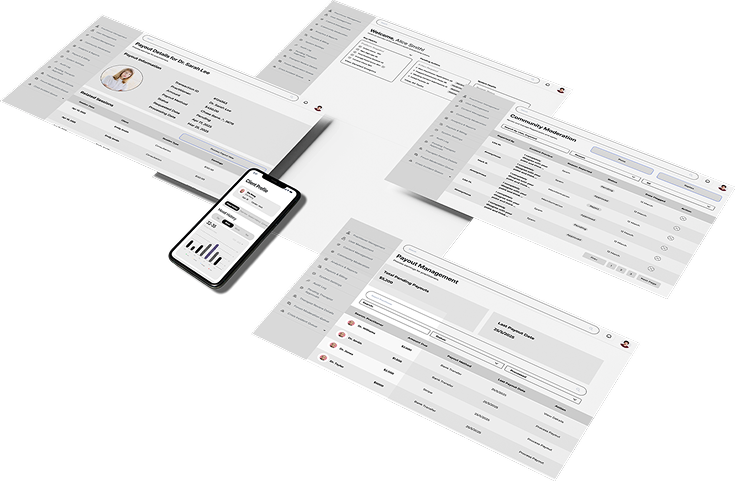
How do you build a wellness platform that doesn’t just treat problems, but prevents them?
Mental health apps are growing fast. Meditation platforms are everywhere.
Therapy marketplaces are expanding across regions.
But this wasn’t meant to be “another wellness app.”
The client approached us with a clear ambition:
To create a borderless, digital space for therapy, coaching, yoga, meditation, and breathwork designed for lifestyle transformation, not crisis response.
They weren’t looking for just screens.
They were looking for clarity, structure, and a product foundation capable of scaling to tens of thousands of users.
That’s where Deliverydevs stepped in.
Therapy marketplaces are expanding across regions.
But this wasn’t meant to be “another wellness app.”
The client approached us with a clear ambition:
To create a borderless, digital space for therapy, coaching, yoga, meditation, and breathwork designed for lifestyle transformation, not crisis response.
They weren’t looking for just screens.
They were looking for clarity, structure, and a product foundation capable of scaling to tens of thousands of users.
That’s where Deliverydevs stepped in.
About the Client
Our client is building a holistic wellness platform targeting individuals
aged 18–50 — particularly women and wellness-conscious users.
The platform aims to integrate:
The ambition was bold: Establish a mature digital wellness ecosystem capable of serving 50,000–100,000 users within the first year.
But before development, there was a critical need for strategic clarity.
aged 18–50 — particularly women and wellness-conscious users.
The platform aims to integrate:
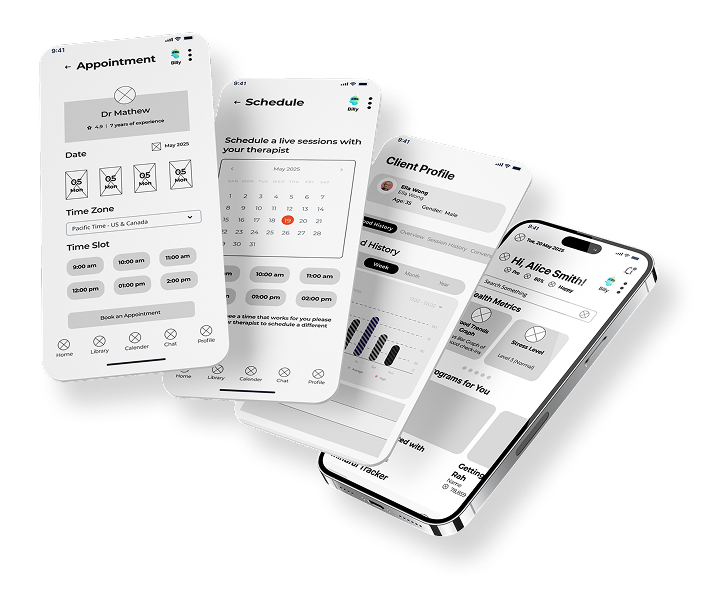
- Therapy with verified professionals
- Coaching sessions
- Yoga, meditation, and breathwork
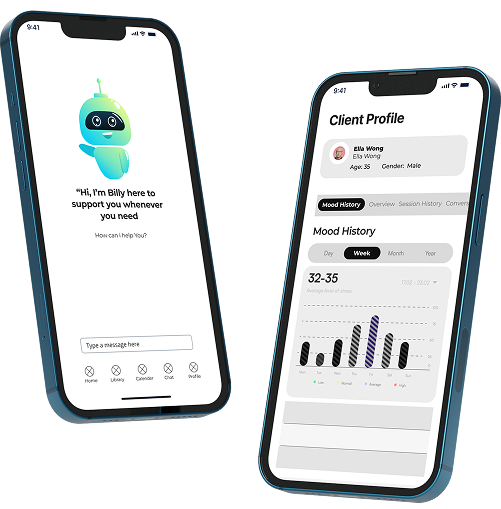
- AI-assisted consultations
- Personalized wellness journeys
- Community-driven engagement
The ambition was bold: Establish a mature digital wellness ecosystem capable of serving 50,000–100,000 users within the first year.
But before development, there was a critical need for strategic clarity.
Discover How AI can Transform your Operations
The Idea: Wellness as a Daily Practice
Most mental health platforms activate when something breaks.
Instead of focusing solely on solving problems, the product aimed to help users build sustainable, proactive well-being habits.
To bring that idea to life, the founders needed:
They needed a blueprint — not guesswork.
- Preventative care.
- Daily rituals.
- Accessible support.
- Holistic balance.
Instead of focusing solely on solving problems, the product aimed to help users build sustainable, proactive well-being habits.
To bring that idea to life, the founders needed:
- Defined user journeys
- Clear feature prioritization
- Structured MVP scope
- AI logic integration
- Safety and privacy architecture
- Scalable product documentation
They needed a blueprint — not guesswork.
Turning Vision into a Strategic Product Framework
At Deliverydevs, we don’t just begin with interfaces.
We begin with architecture and intent.
We begin with architecture and intent.
1. Requirement Engineering: Building the Right Product Before Building Fast
Through structured discovery workshops, we worked closely with the founders to define:
- Core user personas
- Behavioral triggers and emotional entry points
- MVP vs future-phase feature mapping
- Provider onboarding workflows
- AI-assisted personalization logic
- Community moderation systems
- Data protection and privacy considerations
We mapped the entire ecosystem:
We mapped the entire ecosystem:
- Onboarding flows
- Assessment journeys
- Booking experiences
- Content discovery
- Progress tracking
- Community engagement
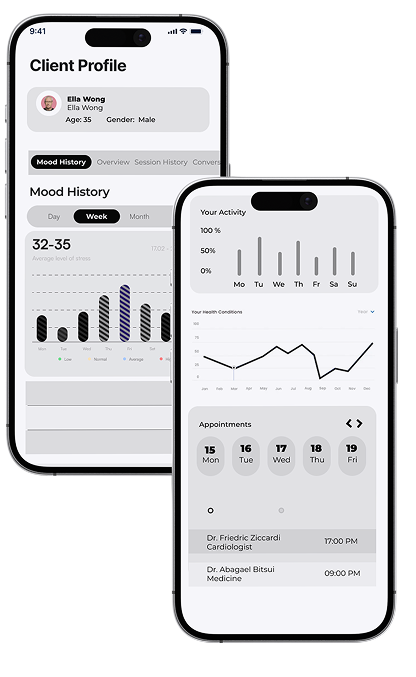
The outcome was a comprehensive requirement engineering document, one that aligns technology, experience, and business goals.
Because scaling responsibly requires architectural discipline from day one.
Because scaling responsibly requires architectural discipline from day one.
2. UX Strategy: Designing Emotional Flow
Wellness is deeply personal.
If the interface feels overwhelming, users disengage.
If it feels transactional, trust erodes.
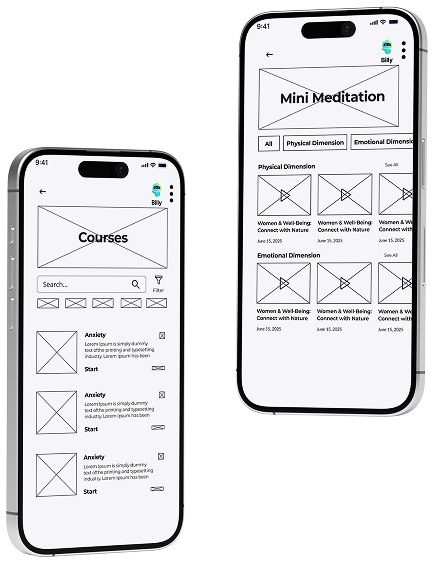
We focused on:
We focused on:
- Low-friction onboarding
- Gentle, reassuring interaction patterns
- Guided experiences instead of feature-heavy dashboards
- Calm visual hierarchy
- Trust-building elements like verified credentials and transparent processes
Every decision was filtered through one principle:
Does this make the user feel safe, supported, and understood?
Does this make the user feel safe, supported, and understood?

 Development
Blueprint
Development
Blueprint