

Executive Summary
Jamiat Taleem ul Quran (JTQ)
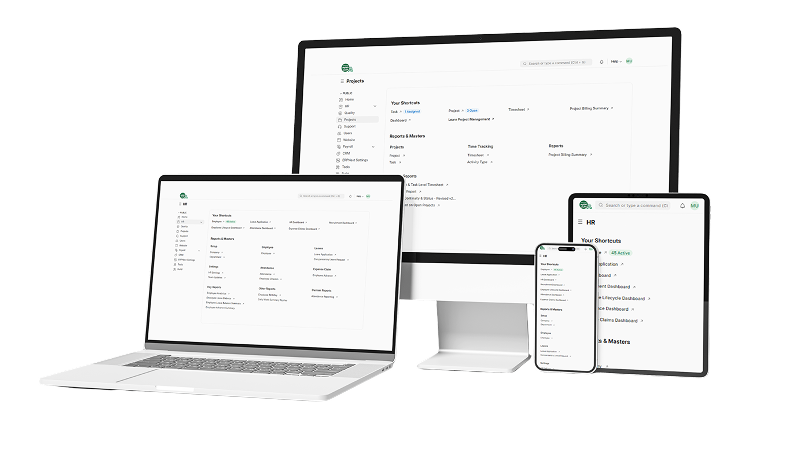
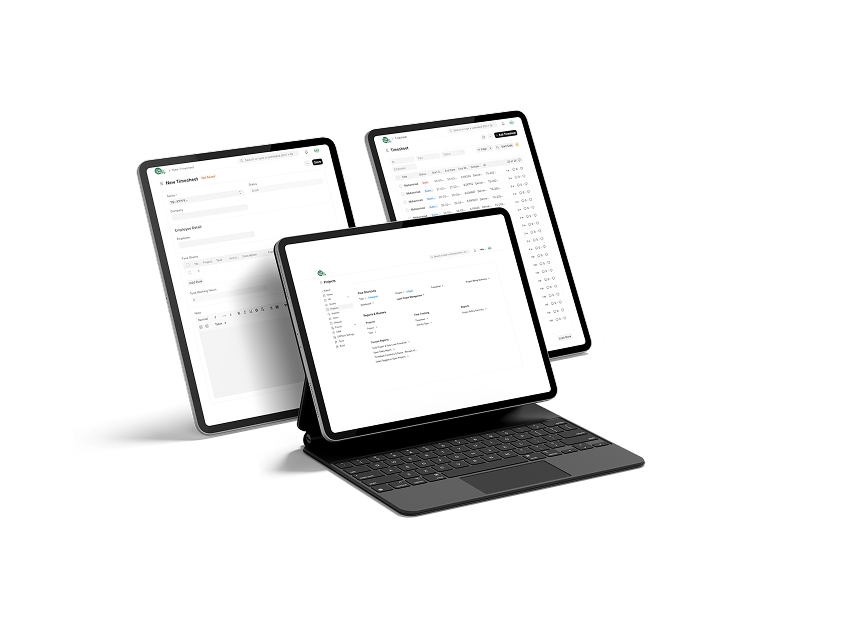
In response to an increasing operational scale and more stringent governance requirements, JTQ initiated a Phase-I ERP transformation. By partnering with Deliverydevs to implement ERPNext v15 on-premise, the organization sought to centralize operations, improve transparency, and strengthen financial controls.
- Industry: Non-Profit Organization
- Implementation Partner: Deliverydevs
- Technology: ERPNext v15 (On-Premise)
The Challenge: Fragmented Operations & Limited Visibility
Prior to the digital transformation, JTQ faced several hurdles that impacted its ability to scale and maintain transparency:
Donation & Sponsorship Gaps
- Manual Records: Donation recording was primarily manual, resulting in limited visibility for both donors and beneficiaries.
- Offline Systems: The management of box collections and serialized coupon books occurred outside of any formal system.
- Disconnected Data: There was no real-time linkage between incoming donations and the accounting ledger.
- Tracking Difficulties: The organization struggled to track sponsorship durations, fund utilization, and individual balances.
Financial & Governance Hurdles
- Structural Mismatch: The existing Chart of Accounts was not structured to handle non-profit fund segregation.
- Audit Strain: Manual reconciliation processes led to increased audit efforts and delayed financial reporting.
- Weak Accountability: There was a lack of a strong audit trail connecting donations to specific expenses.
Operational Inefficiencies
- Procurement: Reliance on informal purchase approvals and a lack of traceability for RFQ comparisons.
- Inventory: Manual stock tracking caused valuation inconsistencies and a lack of visibility into item movement.
- HR & Payroll: Attendance was tracked outside the ERP, and payroll was processed using manual spreadsheets and tax calculations.
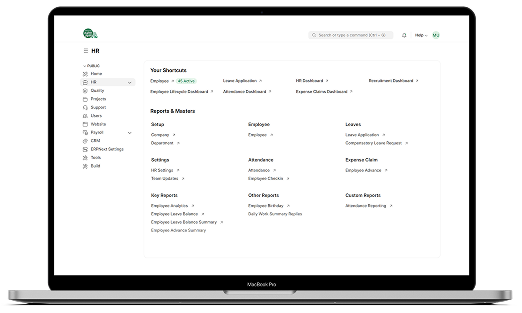
Boost customer satisfaction and streamline your service operations with ERPNext
The Solution: A Centralized Non-Profit Framework
Deliverydevs implemented ERPNext v15 as a centralized operational and financial system with a specifically tailored scope:
- Custom Donation Management: A module featuring donor masters, trustee mapping, student-program linkage, and automated receipts with real-time GL posting.
- Non-Profit Accounting: A redesigned framework supporting fund-based Chart of Accounts, bank reconciliation, and audit-ready financial statements.
- Integrated Procurement & Stock: Workflows for supplier management, RFQ comparisons, approval-based POs, and FIFO/Moving Average stock valuation.
- HR & Payroll Automation: Integration of biometric attendance, leave workflows, and automated payroll-to-GL posting.
Outcomes & Strategic Value
The implementation provided JTQ with a robust, transparent foundation for its mission:
- Transparency: Achieved a centralized and transparent lifecycle for every donation.
- Financial Visibility: Gained real-time visibility into fund balances and an audit-ready compliance structure.
- Operational Control: Established controlled procurement and inventory workflows with role-based access.
- Efficiency: Reduced manual dependencies through automated payroll and integrated accounting impacts.
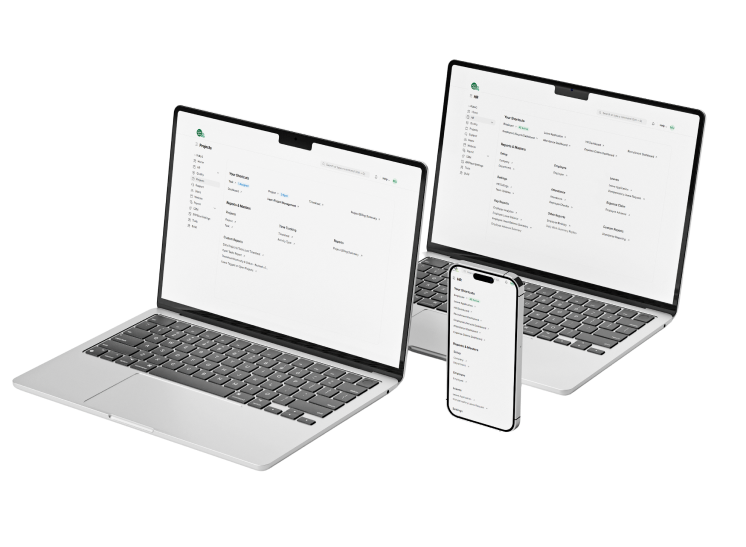
Deliverydevs’ Expertise: This project demonstrates Deliverydevs’ capability in delivering end-to-end ERPNext implementations
for non-profit organizations, managing complex donation workflows and fund-based accounting.
for non-profit organizations, managing complex donation workflows and fund-based accounting.

 Development
Blueprint
Development
Blueprint